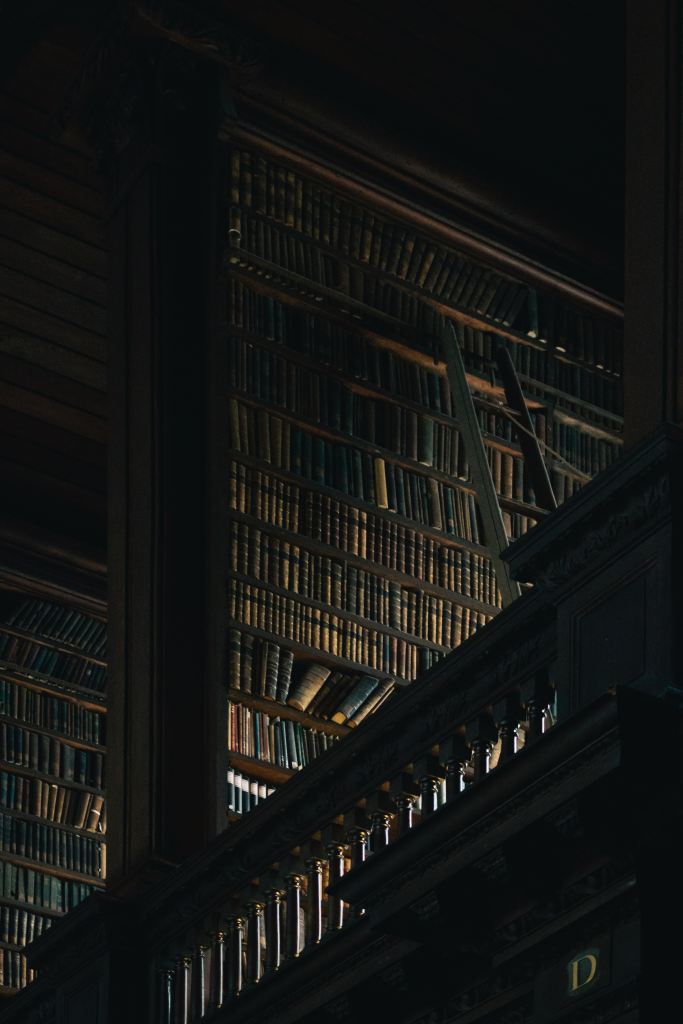
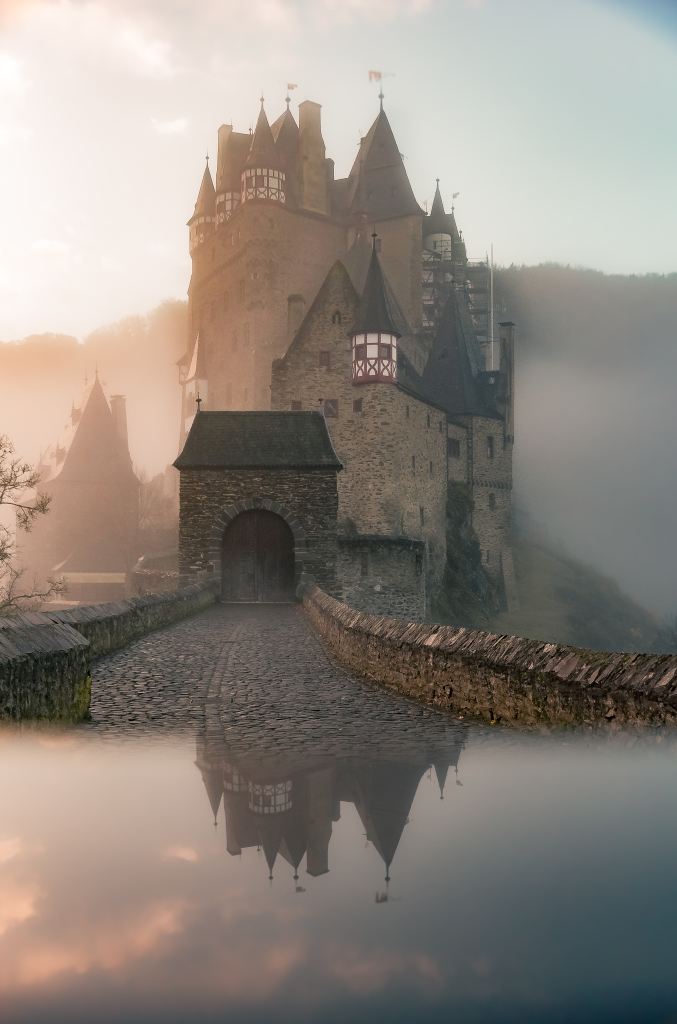
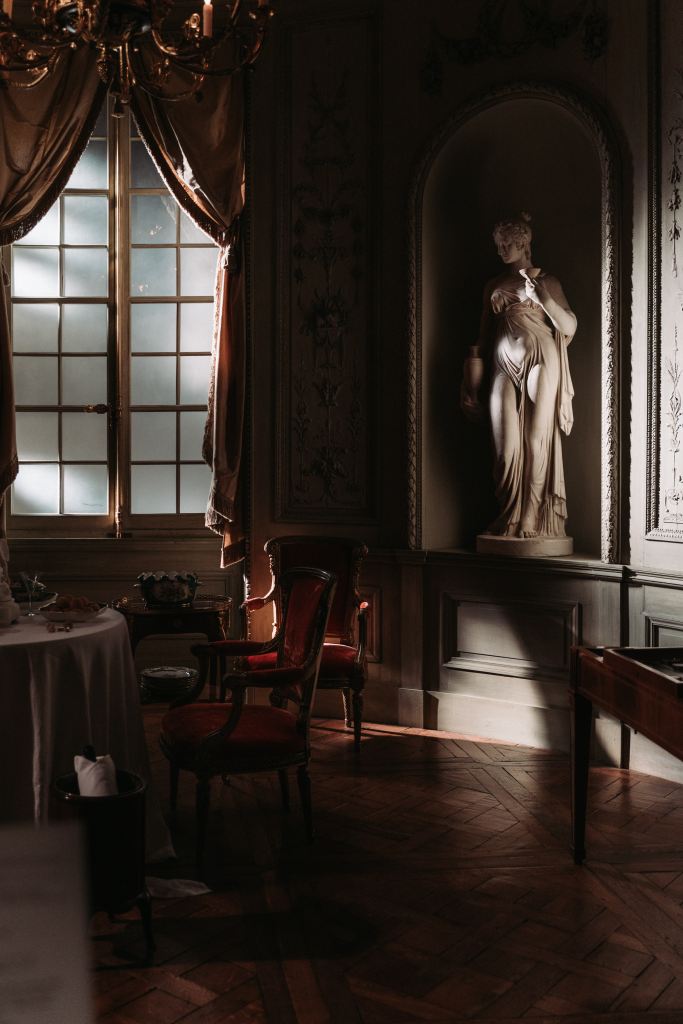
You can’t go far on Bookstagram without running into the dark academia aesthetic. It’s synonymous with higher education, classic lit, and gothic architecture. The posts often include a moody filter with aspects of historic academic life. They highlight classic lit, traditional educational dress, and architecture from a historic library. Few dark academics can resist a cozy library or an all-night study session.
Are you getting the idea? Search dark academia on Pinterest, and you’ll quickly get the picture.
While dark academia is a relatively new trend, it pulls inspiration from a much more historic movement. That’s right, today we’re talking about the original goths. No, not the goths of the 90s with spiked hair and chained pants. We’re talking about gothic literature.
History of Gothic Lit
Gothic literature developed from the settings and locations. These writers were inspired by the castle ruins, gothic architecture, and even monasteries. The setting added an eerie atmosphere to the text. Plus, such historic buildings contained hidden rooms, trap doors, and secret passages. The perfect recipe for a good book.
Modern historians declare Horace Walpole as the founder of the genre. In The Castle of Otranto Walpole attempts to merge the modern with the ancient. A prophecy dictates the life and death of those occupying a medieval castle. With its gothic architecture, the castle provides the perfect atmosphere for mystery and romance. Walpole adds secret tunnels and elements of the supernatural. Thus he creates an atmosphere conducive to the dark story that follows.
In the second edition, Wapole added the subtitle, A Gothic Story. While critics raged against his work, Walpole succeeded in creating a new genre. Many of the books that followed included key themes like good versus evil along with a gothic setting.
Romance vs. Horror
The books that followed fell into two categories: gothic romance and gothic horror.
Ann Radcliffe paved the way for gothic romance. Her stories center on young heroines struggling against evil. They hope to prevail and reach their one true love. Udolpho and The Italian are her best-known works. These books are often mocked for their incredulous plots.
The famous Jane Austen creates her own satire of the genre with Northanger Abbey. In it, young and naive Catherine heads to the city with friends of the family. She meets a handsome young man and gets swept away in an unlikely adventure. But, her love for gothic romance leads her to believe in the fantastical. Her happily-ever-after comes when she lets go of her incredible ideas and accepts reality for what it is.
Austen even goes so far as to mention Udolpho in Northanger Abbey. She had no problem making her opinion on the genre clear. While I have no authority to declare a winner between these two writers, only one is required reading for students.
Gothic horror, on the other hand, puts man against self. It explores the darker side of humanity. The main character struggles to overcome some great temptations. We see Frankenstein flee from his own creation and men fall before the bloodthirsty Dracula. These evil forces of nature are extremes of the human condition. These villains represent our greatest sins.
Gothic horror authors often leave us unsatisfied. Their characters fall victim to themselves. They’re unable to conquer the evils of their own soul. We’re left to believe in man’s utter depravity with no happy ending to inspire hope.
The Modern Gothic
Despite Austen’s best efforts, gothic literature lives on. We find gothic themes in the works of the Bronte sisters, Edgar Allen Poe, and even Charles Dickens. In Bleak House and Great Expectations, Dickens explores the tragedy common to gothic literature. Like Walpole, Shelley combines technology with tradition in her novel, Frankenstein.
While modern Gothics move away from castles and abbeys, they still offer the same odd mixture of modern and historic. Modern authors often choose haunted or eerie locations. This helps the modern reader connect to the unusual and even supernatural.
Gothic literature continues to thrill readers everywhere adapting classic plots to modern settings. They combine romance with terror to create truly unique tales. The genre will continue to shift and adapt as modern writers add their voices to the genre.
Looking for a modern gothic to read? Consider one from the list below!
- The Pride of the Peacock (1976)
- Affinity (2002)
- Crimson Peak (2017)
- The Woman in Black (1983)
- The Thirteenth Tale (2006) (include image)
- Interview with a Vampire (1976)
- The Secret History
- The Shadow of the Wind (include image)
- Vicious
Sources
- https://www.britannica.com/art/Gothic-novel
- https://www.nypl.org/blog/2018/10/18/brief-history-gothic-horror
- https://www.nypl.org/blog/2018/10/03/brief-history-gothic-romance
- https://www.bbc.com/culture/article/20230707-the-eight-best-gothic-books-of-all-time
- https://www.masterclass.com/articles/gothic-fiction
- https://library.csun.edu/SCA/Peek-in-the-Stacks/castle-otranto
 novel philosophy
Leave a comment